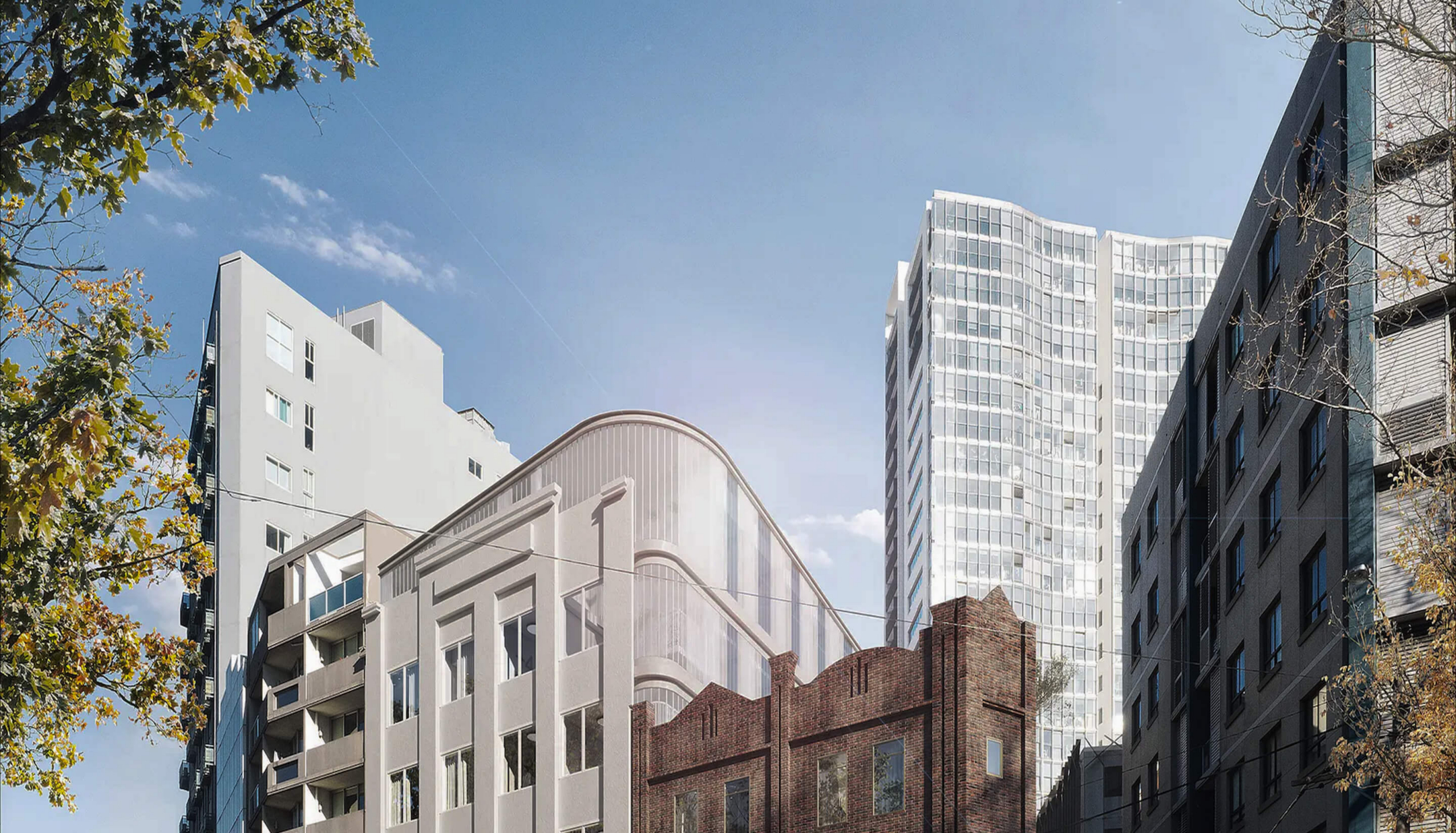
Whether it is reinforced concrete, structural steel, or precast systems, we optimise material use and detailing to achieve durable, economical outcomes.
Our engineers work closely with architects and builders to ensure structures integrate seamlessly into the overall project design, balancing form, function, and long-term performance.
Capabilities
FOUNDATION
Read more
A foundation is the structural base of a building that transfers loads from the structure to the ground.
It ensures the stability, strength, and durability of the structure by preventing excessive settlement or movement.
Proper foundation design is essential for the safety and long-term performance of any building or structure.
The type of foundation required depends on factors such as soil conditions, site levels, groundwater, and building loads.
Our structural engineers work closely with geotechnical engineers to design efficient and cost-effective foundations for residential, commercial, and industrial projects.
Types of Foundations
Shallow Foundations
Ideal when strong bearing soil is close to the surface (usually within 3 metres).
- Pad Footings: Support individual columns or posts; common in residential and light commercial structures.
- Strip Footings: Continuous concrete footings supporting load-bearing walls.
- Raft or Mat Foundations: Large slabs supporting multiple columns or walls; suitable for variable or weak soils.
- Combined Footings: A shared footing for two or more closely spaced columns.
Deep Foundations
Used when good bearing strata are at greater depths or where heavy loads are expected.
- Bored Piles: Cylindrical shafts drilled deep into the ground and filled with reinforced concrete.
- Driven Piles: Precast concrete, steel, or timber piles driven into the ground to reach strong soil or rock layers.
- Pier Foundations: Large-diameter supports often used in bridges or heavy structures.
shoring + retention systems
Read more
Shoring and retention systems are structural solutions that support the ground during excavation and maintain stability on sloping or confined sites.
They prevent ground movement, soil collapse, and damage to adjacent buildings or infrastructure.
These systems are essential for basement excavations, deep cuts, retaining walls, and developments on challenging terrain.
Proper design ensures safety, durability, and cost efficiency throughout the construction process.
At Steel + Stone, our structural and civil engineers provide comprehensive design, certification, and documentation of shoring and retention systems compliant with Australian Standards.
Types of Shoring and Retention Systems
Soldier Pile and Shotcrete Walls
- Commonly used for temporary or permanent excavation support.
- Consist of steel soldier piles installed vertically with shotcrete panels between piles.
- Can be anchored or internally propped to improve stability.
- Suitable for deep basements, boundary excavations, and urban infill sites.
Secant Pile Walls
- Created by constructing interlocking concrete piles—alternating between hard and soft piles—to form a continuous wall.
- Offers excellent groundwater control and soil retention, suitable for deep excavations.
- Frequently used for permanent basement walls and sites with high groundwater tables.
Contiguous Pile Walls
- Made up of closely spaced bored piles with narrow gaps between piles.
- Cost-effective for temporary or medium-depth excavations where minor soil loss is acceptable.
- Often used in basement excavations, cut-and-cover tunnels, and shallow retaining applications.
Diaphragm Walls
- Reinforced concrete walls built in slurry-filled trenches, ideal for deep or large-scale excavations.
- Provides high stiffness and watertightness, minimising soil movement.
- Suitable for multi-level basements, high-rise towers, underground stations, and marine structures.
- Can act as a permanent structural wall, eliminating the need for a separate retaining system.
Sheet Pile Walls
- Formed from interlocking steel sheets driven into the ground.
- Commonly used in temporary works, coastal projects, or sandy soils.
- Quick to install and remove, ideal for short-term support or excavations near water.
Anchored or Propped Systems
- Incorporate ground anchors, tiebacks, or internal struts to provide lateral support.
- Enable deeper excavations with reduced wall thickness.
- Often combined with shotcrete, pile, or diaphragm wall systems to control deflection.
Non-Shoring Retaining Wall Solutions
Not all retaining structures require deep shoring. For above-ground or low-height applications, gravity-based and structural retaining walls provide efficient long-term solutions.
Gravity Retaining Walls
- Rely on their self-weight to resist soil pressure.
- Typically built from concrete, masonry, or precast blocks.
- Suitable for low-height retaining applications and areas with stable foundations.
Cantilever Retaining Walls
- Constructed from reinforced concrete with a base slab and vertical stem.
- The wall resists lateral earth pressure through bending and self-weight.
- Efficient for medium-height walls (up to 3–5 m) and common in residential, commercial, and civil projects.
Reinforced Soil Walls (Mechanically Stabilised Earth – MSE)
- Combine compacted soil layers with geogrid or steel reinforcement and a facing system (e.g. blocks or panels).
- Provide a flexible and cost-effective solution for high retaining walls and infrastructure projects.
- Ideal for roads, bridges, embankments, and industrial developments.
Crib and Rock Retaining Walls
- Built using interlocking concrete or timber units filled with free-draining material.
- Allow for natural drainage and minimal hydrostatic pressure buildup.
- Common in landscaping, residential developments, and rural projects.
concrete
Read more
Concrete is one of the most widely used materials in structural engineering, known for its strength, durability, and versatility.
It forms the foundation of modern construction — from residential slabs and multi-storey buildings to bridges, tunnels, and civil infrastructure.
When properly designed and reinforced, concrete structures offer exceptional performance, fire resistance, and longevity.
Our experienced structural engineers provide expert design, certification, and documentation for all types of concrete structures in compliance with AS 3600 – Concrete Structures.
We deliver practical, cost-efficient, and durable solutions tailored to each project’s needs.
Types of Concrete Structures
Reinforced Concrete (RC)
- Reinforced concrete combines steel reinforcement bars (rebar) with concrete to resist both compression and tension forces.
- Used in slabs, beams, columns, and footings across residential, commercial, and industrial developments.
- Engineered for strength, ductility, and crack control to ensure long-term structural integrity.
- Ideal for general building construction and structural framing systems.
Post-Tensioned Concrete
- Post-tensioning involves tensioning high-strength steel tendons within hardened concrete to reduce cracking and improve performance.
- Allows for longer spans, thinner slabs, and lighter structures — reducing material and construction costs.
- Commonly used in car parks, high-rise floors, and bridge decks.
- Provides efficient and durable solutions for complex structural applications.
Precast Concrete
- Precast concrete elements are manufactured off-site under controlled conditions for superior quality and faster construction.
- Used for walls, beams, columns, slabs, stairs, and façade panels.
- Offers consistent finish, precise dimensions, and reduced on-site labour.
- Suitable for modular construction, large developments, and projects requiring rapid installation.
- Ensures long-term performance with minimal maintenance.
Concrete Slabs
- Concrete slabs form the horizontal surfaces of buildings — floors, roofs, and pavements.
- Available as on-ground, suspended, ribbed, waffle, or post-tensioned systems.
- Designed for strength, serviceability, and long-term durability under Australian conditions.
- Our engineers provide slab design, certification, and documentation for residential, commercial, and industrial structures.
Concrete Columns and Beams
- Key structural components that carry vertical and horizontal loads throughout the structure.
- Can be cast in-situ or precast, reinforced or post-tensioned depending on project requirements.
- Essential in multi-storey buildings, bridges, and complex framing systems.
- Engineered for strength, stiffness, and ductility under varying load conditions.
Concrete Retaining and Basement Walls
- Provide lateral earth support while integrating with architectural or basement structures.
- Can be designed as cantilever, counterfort, or continuous reinforced concrete walls.
- Often combined with waterproofing, drainage, and architectural finishes.
- Used in basements, retaining walls, and cut-and-cover tunnels to ensure stability and durability.
steel
Read more
Steel is one of the most efficient and adaptable materials in modern construction, offering outstanding strength, flexibility, and speed of erection.
It’s widely used in industrial buildings, commercial developments, residential frames, and large-span structures such as warehouses and bridges.
When engineered correctly, steel provides a high strength-to-weight ratio, design versatility, and exceptional durability.
Our experienced structural engineers deliver complete steel design, certification, and documentation services in accordance with AS 4100 – Steel Structures.
We provide safe, economical, and constructible solutions for projects across Australia.
Types of Steel Structures
Structural Steel Framing Systems
- Comprise columns, beams, and bracing designed to resist vertical and lateral loads.
- Provide the structural skeleton for multi-storey buildings, warehouses, and industrial facilities.
- Allow for rapid assembly, minimal on-site waste, and flexible architectural integration.
- Engineered for strength, stiffness, and serviceability under Australian Standards.
Portal Frame Buildings
- Efficient, cost-effective systems commonly used in warehouses, factories, and agricultural buildings.
- Consist of rigid steel frames with rafters and columns connected by moment joints.
- Offer large clear spans with minimal internal supports for maximum usable space.
- Can be designed with lightweight cladding, mezzanine levels, and crane support systems.
Steel Trusses and Roof Systems
- Provide long-span roof and floor solutions with excellent strength-to-weight efficiency.
- Can be fabricated from rolled steel sections, hollow tubes, or lattice frameworks.
- Used in stadiums, auditoriums, warehouses, and large public structures.
- Designed for efficient load distribution and ease of installation.
Steel Connections and Detailing
- Critical components ensuring the structural integrity of the entire frame.
- Include bolted, welded, and hybrid connections designed for strength and constructability.
- Detailed using 3D modelling and finite element analysis for precision and efficiency.
- Accurate connection design minimises fabrication errors and erection time.
timber
Read more
Timber is a renewable, lightweight, and sustainable construction material offering natural beauty and exceptional versatility.
Modern engineered timber systems combine strength, precision, and environmental performance — suitable for residential, commercial, and public buildings.
When designed correctly, timber delivers excellent strength-to-weight efficiency, thermal performance, and aesthetic appeal.
Our experienced structural engineers provide expert design, certification, and documentation for timber structures in accordance with AS 1720 – Timber Structures.
We create safe, durable, and sustainable timber solutions tailored to your project’s design and construction requirements.
Types of Timber Structures
Conventional Timber Framing
- The most common timber construction system used in residential and low-rise buildings.
- Consists of timber studs, plates, rafters, and joists forming the building’s structural skeleton.
- Cost-effective, quick to build, and highly adaptable for architectural design.
- Engineered for strength, serviceability, and compliance with AS 1684 – Residential Timber Framing Code.
Engineered Timber Systems
- Use advanced products such as Laminated Veneer Lumber (LVL), Glulam (Glued Laminated Timber), and Cross-Laminated Timber (CLT).
- Provide superior strength, dimensional stability, and large-span capability.
- Suitable for mid-rise and commercial developments seeking sustainable alternatives to concrete and steel.
- Allow for precision prefabrication and fast on-site assembly.
Cross-Laminated Timber (CLT)
- Composed of layered timber panels glued at right angles for exceptional stiffness and strength.
- Ideal for floors, walls, and roofs in multi-storey timber buildings.
- Offers excellent fire performance and acoustic insulation.
- Supports rapid construction and reduced on-site disruption.
Glulam and LVL Beams and Columns
- High-performance engineered timber members used for long spans and load-bearing applications.
- Deliver consistent strength and minimal shrinkage compared to traditional sawn timber.
- Perfect for feature roofs, canopies, and large open-plan spaces.
- Provide an attractive natural finish suitable for exposed structural design.
Timber Decks and Flooring Systems
- Include solid timber, LVL, or CLT flooring panels designed for strength, durability, and appearance.
- Used in residential, commercial, and outdoor applications.
- Can be designed for acoustic control, vibration resistance, and fire compliance.
- Engineered for easy integration with steel or concrete substructures.
Hybrid Timber Structures
- Combine timber with steel or concrete to achieve optimal strength, span, and sustainability.
- Used in modern architectural and multi-material designs.
- Deliver enhanced performance and visual appeal through material synergy.
aluminium
Read more
Aluminium is a lightweight, durable, and corrosion-resistant material widely used in structural, architectural, and industrial applications.
It offers an outstanding strength-to-weight ratio, making it ideal for structures where weight reduction and performance are critical.
With excellent resistance to corrosion, aluminium is especially suited to marine, coastal, transport, and façade applications.
our experienced structural engineers provide design, analysis, and certification for aluminium structures in accordance with AS/NZS 1664 – Aluminium Structures.
We deliver efficient, practical, and compliant designs that maximise the material’s natural advantages while ensuring safety and durability.
Types of Aluminium Structures
Aluminium Framing Systems
- Lightweight structural frames used in façades, walkways, platforms, and canopies.
- Allow for quick assembly, modular design, and high corrosion resistance.
- Perfect for transportable buildings, marine structures, and architectural framing.
- Designed for performance under both static and dynamic loading conditions.
Aluminium Platforms, Walkways, and Access Systems
- Used for bridges, jetties, pedestrian walkways, and maintenance platforms.
- Non-corrosive and low-maintenance—ideal for coastal or industrial environments.
- Lightweight design reduces foundation loads and simplifies installation.
- Compliant with slip-resistance, safety, and structural performance requirements.
Aluminium Roof and Canopy Structures
- Combine lightweight framing with aesthetic design flexibility.
- Resistant to corrosion and environmental degradation, even in harsh climates.
- Used in airports, stadiums, carparks, and architectural façades.
- Can be integrated with glass, steel, or tensile fabric systems.
Marine and Coastal Aluminium Structures
- Highly suited for piers, jetties, gangways, pontoons, and boat ramps due to excellent corrosion resistance.
- Reduces maintenance costs compared to steel or timber in marine environments.
- Engineered for strength, fatigue resistance, and durability under dynamic loading.
- Compliant with relevant Australian maritime and structural codes.
Aluminium Façades and Cladding Systems
- Provide architectural appeal with structural performance.
- Lightweight panels and framing systems improve installation speed and energy efficiency.
- Can be engineered for wind, impact, and thermal loads.
- Used in commercial buildings, transport hubs, and architectural feature walls.
Aluminium Composite and Hybrid Structures
- Combine aluminium with glass, steel, or composite materials to achieve superior performance.
- Used in bridges, transport systems, and lightweight enclosures.
- Deliver reduced dead loads, ease of fabrication, and design versatility.
Masonry
Read more
Masonry is one of the oldest and most trusted forms of construction, valued for its strength, fire resistance, and architectural appeal.
It includes materials such as concrete block, brick, and stone, used in both loadbearing and non-loadbearing applications.
Masonry structures provide excellent thermal performance, acoustic insulation, and long-term durability.
Our structural engineers specialise in the design, certification, and documentation of masonry structures in accordance with AS 3700 – Masonry Structures.
We ensure every masonry wall, façade, and retaining system meets the highest standards of safety, serviceability, and constructability.
Types of Masonry Structures
Reinforced Masonry Walls
- Masonry strengthened with vertical and horizontal reinforcement to resist bending, shear, and lateral loads.
- Suitable for structural walls, retaining walls, and basements.
- Combines the durability of masonry with the tensile strength of steel reinforcement.
- Designed in compliance with AS 3700.
Unreinforced Masonry
- Relies on the compressive strength of masonry units and mortar for load resistance.
- Common in low-rise residential buildings, boundary walls, and non-structural partitions.
- Cost-effective and low maintenance when designed for stable soil and minimal lateral loads.
- Ideal for architectural applications and traditional brickwork designs.
Concrete Blockwork Structures
- Made from hollow or solid concrete masonry units (CMUs).
- Used for walls, retaining structures, lift cores, and fire-rated enclosures.
- Can be reinforced, partially reinforced, or unreinforced depending on structural requirements.
- Provide excellent fire resistance and durability for commercial and industrial projects.
Brickwork Structures
- Constructed from clay or concrete bricks bonded together with mortar.
- Provide aesthetic appeal with a wide range of colours, textures, and finishes.
- Can be used structurally or as architectural veneer over reinforced concrete or steel frames.
- Offer excellent thermal and acoustic performance in building envelopes.
Masonry Retaining Walls
- Provide lateral earth support while integrating with landscape or building design.
- Can be gravity-based, reinforced, or cantilevered depending on wall height and soil conditions.
- Include drainage and waterproofing systems for long-term stability.
- Suitable for residential, commercial, and civil applications.
Masonry Veneer and Cavity Walls
- Consist of a non-structural masonry façade tied to a structural frame.
- Enhance thermal insulation, moisture protection, and visual character.
- Commonly used in residential housing and architectural façades.
- Allow for efficient construction with aesthetic flexibility.
composite structures
Read more
Composite structures combine two or more materials — typically steel, concrete, timber, or aluminium — to achieve superior strength, stiffness, and efficiency.
By integrating materials with complementary properties, composite systems deliver lightweight, economical, and high-performance solutions.
These systems are ideal for multi-storey buildings, bridges, transport infrastructure, and complex architectural designs.
Our experienced structural engineers specialise in the design, analysis, and certification of composite structures in accordance with AS/NZS 2327 – Composite Structures and related Australian Standards.
We optimise every design for performance, constructability, and long-term durability.
Types of Composite Structures
Steel–Concrete Composite Beams and Floors
- Combine the tensile strength of steel with the compressive strength of concrete.
- Used in high-rise floors, bridges, and commercial buildings.
- Steel beams act compositely with concrete slabs via shear connectors for increased stiffness and reduced deflection.
- Provide efficient and economical structural solutions with rapid construction capability.
Composite Columns
- Integrate steel sections encased in or filled with concrete for enhanced strength and fire resistance.
- Allow for slender designs while carrying higher axial loads.
- Used in tall buildings, industrial plants, and infrastructure requiring high load capacity.
- Designed for ductility, robustness, and thermal performance.
Composite Decking and Floor Systems
- Precast or profiled steel deck slabs acting compositely with in-situ concrete.
- Provide quick installation and high load-carrying capacity.
- Common in commercial buildings, carparks, and industrial floors.
- Engineered for strength, serviceability, and fire performance.
reporting
Read more
Structural Adequacy and Certification Reports
- Confirm that structures meet the required design and safety standards.
- Used for building approvals, change of use, or compliance with council and regulatory authorities.
- Includes analysis of load paths, material performance, and as-built verification.
- Certification prepared to AS/NZS 1170, AS 4100, AS 3600, and related codes.
Structural Condition and Defect Reports
- Assess existing buildings for cracking, movement, corrosion, or material degradation.
- Provide cause analysis, remediation options, and maintenance recommendations.
- Common for residential, commercial, and heritage structures.
- Essential for insurance claims, renovations, and due diligence inspections.
Dilapidation Reports
- Document the pre-construction condition of adjacent properties and infrastructure.
- Protects all parties from damage claims and disputes during nearby construction.
- Includes photographic evidence, detailed notes, and condition grading.
- Required before excavation, piling, demolition, or deep foundation works.
Pre-Purchase and Insurance Reports
- Independent structural evaluations before property purchase or insurance approval.
- Identify hidden issues or non-compliance early to prevent costly surprises.
- Include recommendations for repair or strengthening.
- Ideal for buyers, investors, and insurers.
Retrospective and As-Built Certification
- Certify existing or altered structures without prior engineering documentation.
- Involves inspection, analysis, and assessment against Australian Standards.
- Used for owner-builder projects, unapproved works, and structure modifications.
Structural Inspection and Maintenance Reports
- Regular inspections to monitor structural health and safety.
- Detect early signs of deterioration, corrosion, or settlement.
- Support proactive maintenance planning and life-cycle management.
- Applicable to buildings, bridges, retaining walls, and industrial facilities.
Sydney Water Structural Engineering Assessments (SEA)
- Required for any structures built over or adjacent to Sydney Water assets, including sewer mains, maintenance holes, and pipelines.
- Ensure that proposed construction does not negatively impact Sydney Water infrastructure or asset performance.
- Include detailed analysis of loads, clearances, and foundation effects on existing assets.
- Reports prepared in accordance with Sydney Water’s Building Over and Adjacent to Assets (BOAA) guidelines.
- Submitted as part of the Sydney Water Building Plan Approval (BPA) process.
- May include certification of footing systems, sewer encasement, or structural protection measures.
- Prepared and certified by qualified structural engineers accredited for Sydney Water SEA assessments.
- Applicable to residential, commercial, and industrial developments throughout Sydney and NSW.
value engineering
Read more
Value engineering is a systematic process focused on improving a project’s value by optimising design, materials, and construction methods without compromising safety or performance.
It identifies opportunities to reduce cost, improve constructability, and enhance efficiency throughout the project lifecycle.
By balancing function, durability, and budget, value engineering delivers smarter, more sustainable design outcomes.
We collaborate closely with architects, builders, and developers to deliver practical, efficient, and fully compliant solutions in accordance with Australian Standards.
Types of Value Engineering Services
- Structural Design Optimisation
- Alternative Material Solutions
- Construction Methodology Review
- Retrofitting and Re-Use of Existing Structures
- Cost–Benefit and Lifecycle Analysis
- Coordination and Peer Review
temporary works design
Read more
Temporary works are essential structural systems that provide safety and stability during construction, demolition, or alteration of permanent structures.
They support loads, maintain alignment, and ensure safe execution of works until the permanent structure becomes self-supporting.
Properly designed temporary works minimise risk, reduce delays, and protect workers, assets, and adjacent structures.
Types of Temporary Works
Platforms, and Access Structures
- Enable safe vehicle, equipment, and pedestrian access during construction stages.
- Include modular steel bridges, scaffold walkways, and elevated working platforms.
- Engineered for load capacity, stability, and compliance with workplace safety standards.
- Often used in infrastructure, civil, and industrial construction environments.
Façade Retention and Building Support
- Maintain stability of existing façades or structures during redevelopment.
- Used in heritage restoration, façade retention schemes, and staged demolitions.
- Include steel frames, needle beams, and tie-back systems designed for minimal movement.
- Ensures protection of adjoining properties and public areas during works.
Crane Foundations and Tower Bases
- Provide stable support for cranes, hoists, and heavy lifting equipment.
- Designed to resist overturning, bearing failure, and vibration during operation.
- Include grillages, concrete footings, and steel base frames.
- Certified for compliance with AS 1418 – Cranes, Hoists and Winches and relevant safety standards.
structure inspections
Read more
- Structural Condition Inspections
- Building Movement and Crack Inspections
- Pre-Purchase Structural Inspections
- Construction and Compliance Inspections
- Post-Event or Damage Inspections
- Periodic and Maintenance Inspections
- Heritage and Complex Structure Inspections